Posted on

Travel Credit Cards

Like most travelers, I use credit cards when I travel. Most of us probably use those same cards when we’re not traveling, in hopes of gaining points, rewards, and upgrades. Right?

After all, we constantly see ads on television about this card or that one and we get ads mailed to us to sign up for the next best and greatest reward card. Confusing? Of course. Are they a good deal? That depends. How do you know what’s best? How do you know what’s good for you?

Recently, I was asked to collaborate with U.S. News & World Report regarding travel credit cards. As a nationally recognized publisher of consumer advice and information, they conducted a nationwide study of consumers who own credit cards.

From this study, they created a guide which shows travelers how to best use their cards and get the most from them.

Finally, something that compares cards and gives me information that makes sense.

Throughout the next month I will post results from that study. Hopefully, you will learn something about your credit card.

The link to the entire study is https://creditcards.usnews.com/travel#heading2

Here a few things to think about if you hold a travel reward credit card.

Did you know that more than half of those with a reward travel card carry a monthly balance?

Do you know what your yearly fee is for this card?

From the survey…

2017 Survey: More Than Half of Travel Rewards Cardholders Carry a Monthly Balance
U.S. News surveyed 1,278 travel credit card users to understand the benefits and drawbacks of owning one. While the vast majority of respondents have redeemed lucrative rewards in the last year, many cardholders are not aware of their annual fee or how to take advantage of their card benefits. Additionally, more than half of travel credit card users have carried a balance on their card in the last year, potentially negating the rewards they have earned.

Thirty-three percent of respondents earned more than $500 in rewards in the last year.
The most popular redemption options included free domestic flights, followed by cash back, followed by free nights at a hotel. Free international flights were the least commonly redeemed.

More than half of travel credit cardholders surveyed carried a monthly balance in the last year.

Since travel rewards credit cards tend to have higher-than-average interest rates on purchases, carrying a balance has the potential to cost you more than any rewards you earn. Travel credit card expert Daraius Dubash of millionmilesecrets.com recommends that people carrying credit card debt should probably opt instead for a zero percent APR card and focus on eliminating their credit debt before trying to earn travel rewards.

Sign-up bonuses are one way that cardholders end up carrying a balance, says Joe Cortez, senior writer for frugaltravelguy.com. “In a way [a sign-up bonus] is almost a trap to try to get you to put a balance on the card up-front.” Forty-three percent of consumers surveyed said they qualified for their card’s sign-up bonus.

It’s also critical that consumers be aware of annual fees. Most respondents knew what their card’s annual fee was, while 17 percent of respondents didn’t know.

“I think it’s very easy to get caught up in the number of miles that are involved,” says Cortez, but people don’t always consider that there are both additional fees and benefits with the card.

Nearly half of travel rewards cardholders don’t take advantage of cardholder benefits.
Ninety-six percent of respondents redeemed at least some rewards in the last year, but 48 percent of respondents did not take advantage of common cardholders benefits such as airport lounge access, trip cancellation/delay insurance, free checked bags when flying, auto rental insurance and priority boarding when flying.

Cardholders should be aware of auxiliary travel benefits that come with their card and can provide a lot of value and justify the annual fee, Cortez advises. In order for consumers to get the most value out of any given credit card, they need to consider those benefits and fees alongside their personal travel preferences and spending habits.

Survey methodology:
  • U.S. News ran a nationwide survey through Google Surveys between April 17 and April 19, 2017.
  • The sample size was the general American population and the survey was configured to be representative of this sample.
  • The survey polled 1,278 people who own travel rewards credit cards.
  • The survey asked nine questions relating to their travel rewards credit habits.
  • All winning answers were statistically significant at the 95 percent confidence level.
  • See the full survey data, questions and results.
More results will follow…including how travel cards work, which might be best for you, and how to compare those cards. Stay tuned…
Posted on

Passport Lost?


If you lose your passport, what do you do?

Report your passport as being lost or stolen immediately as this will make is useless for anyone else to use internationally.

Contact the Embassy. If you registered with the US State Department, they notified you of the nearest Embassy.

Apply for a temporary passport. Again, the Embassy will be able to help with that. As I mentioned in a previous blog post, if you have a copy of your passport, an additional passport photo, and correct identification with you when you go to the Embassy, this will speed up the process.

How do you travel with your passport? Do you keep it safe at all times? Do you keep it on you at all times, or do you leave it in the hotel safe? Be aware, the hotel room safe might not actually be safe.

If it’s with you…make sure it is protected and safely carried.

Posted on

Plan Your Winter Getaway…Now

Summer is in full swing. The pool is refreshing. Why would I want to think about winter?

Good question. However, it you’d really like to get away for a winter vacation, now is the best time to start thinking about it. Why? 

Here are a few things to think about…even while you’re sipping your favorite beverage by the pool.

Start checking airfare. Yes, now is a good time to put in some alerts on different sites. A good rule of thumb for knowing whether an airfare is a good deal or not. Use this simple formula. For domestic flights take the number of round trip air miles times 3.2 cents and add $230 (RT miles x .032 + 230). For International take the miles times 8 cents and add $200 (RT miles x .08 + 200). It really does help to know if that email you just received is a good deal or not.

So, when should you book those fares. I’ve found that international airfare starts rising about 90 days out. Bottom line…check early and often, especially if you have specific dates you want or need to travel. Domestic fares are supposedly at their best 54 days out, unless you find a fantastic fare.

Also, start checking where you want to stay. Is it an all-inclusive, a vacation rental, hotel, or resort? Are you flexible or do you need a specific time and location? Look at Internet specials. Many places start advertising deals in the summer for their fall and winter stays. Sometimes you can get lucky and find deals at the last minute as resorts like to have all their facilities booked, but don’t count on that.


If you’re traveling internationally, be sure to check your passport. Make sure it doesn’t expire in the next six months. If it’s close to expiring, apply for a renewal immediately. Right now the passport offices tell me there could be a three month wait. It will be December in four months!

Do you have a house sitter or pet sitter? If so, check their availability. You wouldn’t want to find out at the last minute they are already booked with someone else.


Do your plans include a special type of getaway where you need a guide? If you’re thinking of diving in the Caribbean, exploring Antarctica, checking out all the Christmas markets in Germany, or hiking in the Andes…regardless of the time of year, you’ll need some type of guide. Start looking now at who offers what packages and what appeals to you and your budget.

If you’re planning weekend getaways instead of a longer stay, start looking at where you want to go and what’s going on that weekend. Maybe there are festivals, wine harvest events, concerts, sporting events, or performances which would be fun to attend. Accommodations might already be booking or booked. 

Check the calendar for events in the area where you want to go.

Regardless of when or where you are thinking of going…a little advance planning now will help you have a wonderful time on your winter getaway. 

Let me know where you went…
Posted on

Walk That City

Recently, I read an article by Walk Score listing the top 10 US cities with the best walking. 

This is an excerpt from Walk Score…
Here are the top walkable cities in the U.S. as determined by Walk Score.
10: Baltimore, Maryland: If succulent crab and free museums are your thing, Marlyand’s historic port city of Baltimore is probably one of the best weekend trips you’ve never considered. Summer and fall mean festivals galore—seafood, wine, Belgian beer, oysters, jazz, and rhythm & blues festivals are just a few that take place between April and November.
Stroll around Little Italy, bike along the harbor, and mill about downtown on a Segway tour or seafood crawl. Don’t forget to stop in at the Baltimore Museum of Art or the Walters Art Museum—both are free.
9: Oakland, California: San Francisco’s oft-overlooked little sibling, Oakland is the perfect Bay Area alternative to pricey San Fran. A bustling waterfront bar scene and diverse historic neighborhoods make picturesque spots like Grand Lake Theatre and Jack London Square worth a visit. Sip slowly on an outdoor patio or head to Redwood Regional Park, which is accessible by public transit.
8: Seattle, Washington: Seattle offers both downtown sheen and adventure-packed outskirts. See the Space Needle and skyline from Kerry Park before you hop a bus downtown to peer the opposite way from the skyscraper’s 50th floor. The city is easily connected to its airport via a new light rail line, which makes it perfect for a day-long stopover between flights.
7: Washington, D.C.: Despite some recent minor transit woes, Washington D.C. remains one of the most walkable cities in the nation with the fourth largest American Metro system.
It’s no secret that cherry-blossom season brings flocks of tourists to the city’s monument-flanked Tidal Basin, and free national museums draw crowds year round. Transit service can also take restless visitors out to Arlington and Alexandria, Virginia, and a public bike share system makes the nation’s capital your oyster.
6: Chicago, Illinois: The Windy City’s towering skyline, eclectic neighborhoods, and urban Lake Michigan beaches make it a young and vibrant destination that draws hoards as soon as it warms up each summer. Chicago’s museums and culinary scene make it worthwhile in the winter, too, but music, comedy, sports, and food festivals from spring through fall are all comfortably accessible by foot or transit—Chicago boasts the second largest public transportation hub in the nation. You’d be sorely mistaken if you brought a car with you to this city.
5: Miami, Florida: From South Beach relaxation to street art walks and Little Havana, Miami is best explored on foot to get a feel for its colorful neighborhoods and friendly locals. Leisurely lying on the beach, learning about art deco architecture from the sidewalk, and strolling brightly lit Calle Ocho at night are all easily within reach of downtown.
4: Philadelphia, Pennsylvania: Get in touch with American history at the Liberty Bell, eat authentic cheesesteaks and hoagies, and stumble upon public art and festivals in the first American World Heritage City. Philly’s SEPTA system is reliable and far reaching, but the City of Brotherly Love is also almost entirely walkable and outdoor friendly, with more than 10,000 acres of public green space to be explored.
3: Boston, Massachusetts: Boston is the smallest city by far to make Walk Score’s top five. Its public transportation system, the MBTA (locally called the T) is expansive, and downtown can be almost entirely walked if you’re up for it. Narrow cobblestone roads and picturesque parks dating back to colonial times make this charming utopia perfect for grabbing a public bike and riding from the harbor to the sprawling green Boston Common, Public Garden, and Commonwealth Mall, which stretch from downtown to Back Bay. Boston also has the third largest transit authority in the country, beating out D.C. and San Francisco.
2: San Francisco, California: Cable cars are an iconic symbol of California’s northern hub, and visitors take advantage of their rickety capabilities more often than the locals do for a reason. Bay Area Rapid Transit is likely to get you where you’re going faster, but the street cars make for perfect sight-seeing. While the hills might tire you out a bit, San Francisco is the second most walkable U.S. city, and has plenty of bike and Segway tours to take advantage of once your legs are worn out. Bike across the Golden Gate on your way to Alcatraz or hop public transit to gape at the Redwood trees north of the city—no car required.
1: New York, New York: Manhattan and greater New York City are of course home to the biggest rapid transit system—the MTA—and without a doubt the best place to visit sans wheels. Having a car here might very well cost you as much as your accommodation, so instead wander Central Park and take the subway like a true New Yorker—or hail a yellow cab if traffic isn’t too bad. Walking food tours, outdoor parks, and art museums are a good place to start—just make sure you obey the crosswalk signs.
 Do you agree with these? What are your favorite walking cities?

Posted on

Cheers…


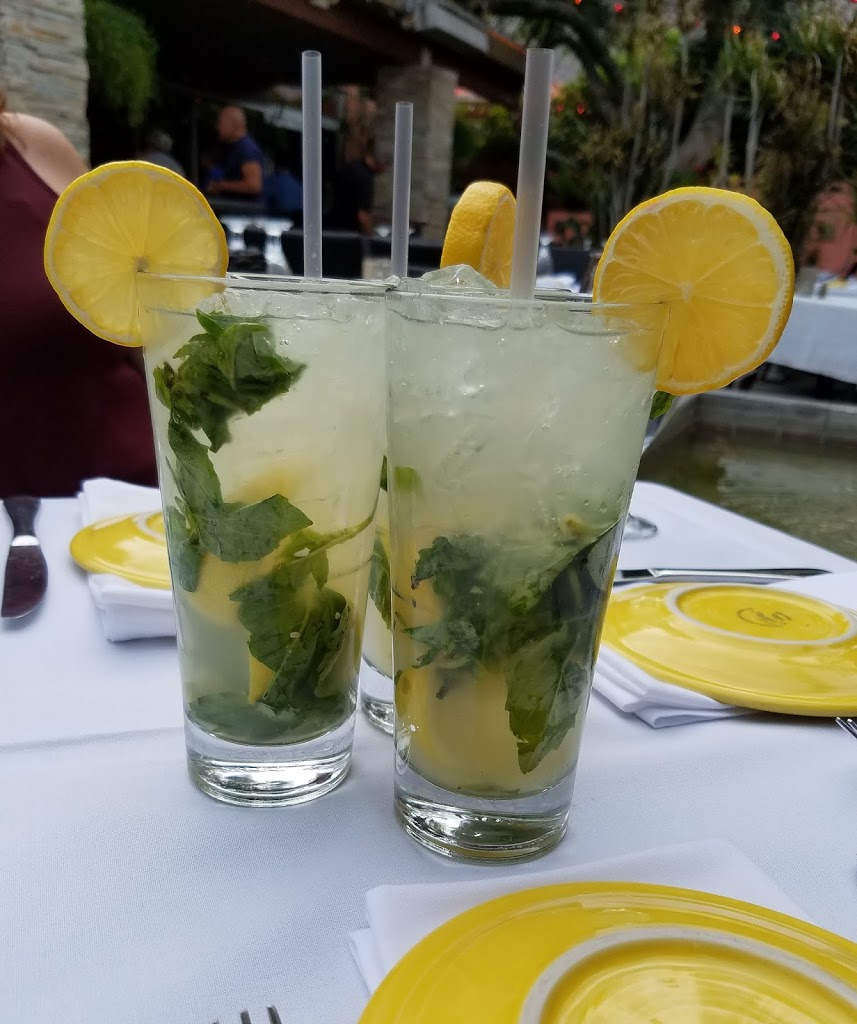
Ever wondered how to say “cheers” in a different language? If so…here are 30 languages, including how to pronounce them. 

If this is something you’ve never wondered about…just look at the photos!

Afrikaans – Gesondheid (Geh-soond-hate)
Albanian – Gëzuar (Geh-zoo-ah)
Arabic –
في صحتك (Fi-sih-tik)
Bosnian – Živjeli (Zee-veh-lee)
Chinese (Mandarin) –
干杯(Gan-bay)
Croatian – Živjeli (Zee-veh-lee)
Czech – Na zdravi (Naz-drah-vee)
Dutch – Proost (Proost)
Filipino – Mabuhay (Ma-boo-hay)
Finnish – Kippis (Kipp-iss)
French – Santé (Sahn-tay)
German – Prost (Prost)
Greek – ΥΓΕΙΑ (Yah-mahs)
Hebrew –
לחיים (Luh-kai-um)
Hungarian
Egészségedre (Eg-esh ay-ged-ruh)
Icelandic
Skál (Skowl)
Irish (Gaelic)
Sláinte (Slawn-chuh)
Italian
Salute (Sah-loo-tay)
Japanese
乾杯(Kan-pi)
Korean –
건배 (Gun-bay)
Norwegian – Skål (Skowl)
Polish – Na zdrowie (Nahz-droh-vee-ay)
Portuguese – Saúde (Sow-ood-uh)
Russian – Будем здоровы (Boo-dem Zdor-oh-vee)
Slovak – Na zdravie (Nahz-droh-vee-ay)
Spanish – Salud (Sah-lood)
Swedish – Skål (Skowl)
Thai –
ไชโย (Chon-gow)
Turkish – Şerefe (Sher-if-fay)
Vietnamese – Dô (Djo)

Posted on

A Few Quick Museum Facts


The Musee d’Orsay is home to the best impressionism collection in the world. Monet, Manet, Van Gogh, Renoir, Degas, Toulouse-Lautrec are all here in a beautiful setting. Check for sure, but it has been closed on Mondays.


To get a sense of The Louvre, you’d need several days…probably weeks. For that reason, plan in advance. I’ll cover more specifics about The Louvre later. Again, check to be sure, but it has been closed on Tuesdays.
The Musee Rodin is fantastic and the outdoor sculpture garden is even better.


More museums later…

Posted on

Can You Travel with Friends?


When traveling with friends, it’s important to put in some time and effort to ensure the trip runs smoothly for everyone. 
Before anything is booked, you should all discuss your individual needs, goals and preferences to ensure that you are compatible with your fellow travelers. Ask yourself and your companions these questions…
Do you want a relaxing holiday or do you want to take in all the sights?
Do you have a budget?
Is everyone okay with the expenses?
Do you need vaccinations?
Do you want to do group activities?
Do you know what is necessary for the trip?


Does everyone have the correct papers and travel gear?
Is everyone open to adding activities?
Is it okay to change plans during the trip?

These may seem like overplanning…but a few upfront questions may make your trip more enjoyable.
Posted on

Be Polite in France


Think about these few suggestions next time you’re in France…

Want Produce at le Marché?
Strolling through a local fruit and vegetable market is one of the many simple pleasures awaiting you in France. Everything is so fresh, so appealing, so artfully displayed, perusing and purchasing produce can be a highlight of your trip. However, be forewarned that poking, prodding or picking up the goods is not accepted. There’s an unspoken hands-off policy at a French marché . Let the vendor pick up the produce for you, and just point if you want to select a specific item.
Greet the Shopkeeper
In some countries, it’s okay to just nod, smile or ignore the staff when you walk into a shop. Here, when you walk in and out of a small boutique, bakery, pharmacy or shop, you should always acknowledge the clerk with a crisp bonjour – better yet, bonjour Madame or MonsieurMercis are always appreciated as well.
Ask Your Waiter to Bring You the Bill
The French are very laissez fair about hanging out in cafes, bistros or restaurants as long as you’d like. There’s no pressure to turn tables here, and so you can nurse a glass of wine or a cup of coffee to spend all day at a coveted spot on a sidewalk table should you choose. The flip side is the waiter won’t anticipate your need for the bill or present it to you in a timely manner unless you specifically ask for it. To them, handing out the check is akin to rushing you out the door. They’re not necessarily ignoring you, neglecting you or providing poor service. They’re just happy to have you linger.
Drinks with Your Meal
In many countries, it’s okay to have a cup of coffee, sip soda, or drink a flavored beverage throughout a casual meal. Sometimes we expect the refills to keep coming. Not so in France. Water or wine are the accepted liquids to accompany food. Sure, you can order a Coke or juice or whatever you like, but you’ll be going against the grain here. If you don’t want to stand out like a sore foreign thumb, do like the French do. A glass of wine is usually cheaper than a soda, and tap water is free (no need to pay for the bottled stuff), so this shouldn’t be a problem.

Posted on

Is This the Right Hotel for You?


Check the exact hotel location
View the map and look at street view if you want to make sure the location is as great as it seems on the website. Busy roads, tracks, and freeways might be too close for your comfort.

Check review sites
Look at all reviews…not just the bad ones or the fantastic ones. Weigh what is being said and if the same issue comes up several times…you may want to rethink your hotel. Also, check what reviewers have to say about room location, extra options, shuttle services, and nearby attractions.
This could save you time and money in many ways.

Check parking availability and cost
If you will have your own car, check both availability and pricing on parking at the hotel. Many times, hotel parking can add anywhere from $10 to $35 or more to your daily hotel cost.
If no hotel parking is available, check where the nearest parking ramp is and the cost of parking there.

Breakfast
What does the hotel offer? Coffee and pastries…or a full breakfast.
You can usually find out this information on the hotel website or by calling the front desk directly. If you are concerned about budget…this is an important question to ask.

Internet access
If you absolutely need Internet access…ask if it is included or what the charge is. It may be free for loyalty members, but not for others.

Loyalty Members
Usually, I recommend booking directly through the hotel if you are a loyalty club member. You can ask questions about upgrades, points, etc. Also, you can make sure they have your member number in order to receive points for this stay.

Sign up for the rewards program
If you are not yet a member and it is free to sign up for a hotel’s loyalty program, do it. You may receive some complimentary services for doing so. One more reason to call the hotel directly.

Don’t be afraid to ask for a better rate
Again…if you call directly, you can ask for a better rate. Be polite and ask about specials or deals. Sometimes websites do not list programs like AARP or AAA, but the reservation desk will.

Again…don’t be afraid to call the hotel directly
You’ve read the reviews and looked at the website. Maybe you still have questions about the Wi-Fi cost, or if the room you want is pet friendly, or their cancellation policy. By calling, you can get your questions answered. It’s also a great way to get a feel for the vibe of that hotel.

Posted on

Will Fingerprints Replace Boarding Passes?


How about this? You may need nothing more than your fingerprint or face to clear airport security and board your flight.
Delta Air Lines has begun testing fingerprint identification for entry into its airport Sky Club at Washington Reagan National Airport, in cooperation with the private company Clear. It plans to test fingerprint scanning for bag check, security, and boarding next.
JetBlue is starting to test the use of facial scans to match travelers flying from Boston to Aruba with their passport or visa photos in the U.S. Customs and Border Protection database.
Experts say this biometric technology to identify people through physical characteristics eventually will become an integral part of the airport security screening process.
Gary Leff, airline industry expert and author of the “View from the Wing” blog, is skeptical about the benefits for consumers. Leff points to, among other downsides, the fact that airlines’ computer systems can crash at inopportune moments: “When they need to process passengers by hand, they can process people with paper boarding passes but not those who need to be scanned.”